
The best running shoes to buy right now (2026)
From daily training miles to trail ultras and race-day PRs, these are the best running shoes right now that I personally rely on and recommend after thousands of miles of real-world testing. This is the ultimate running shoe rotation.

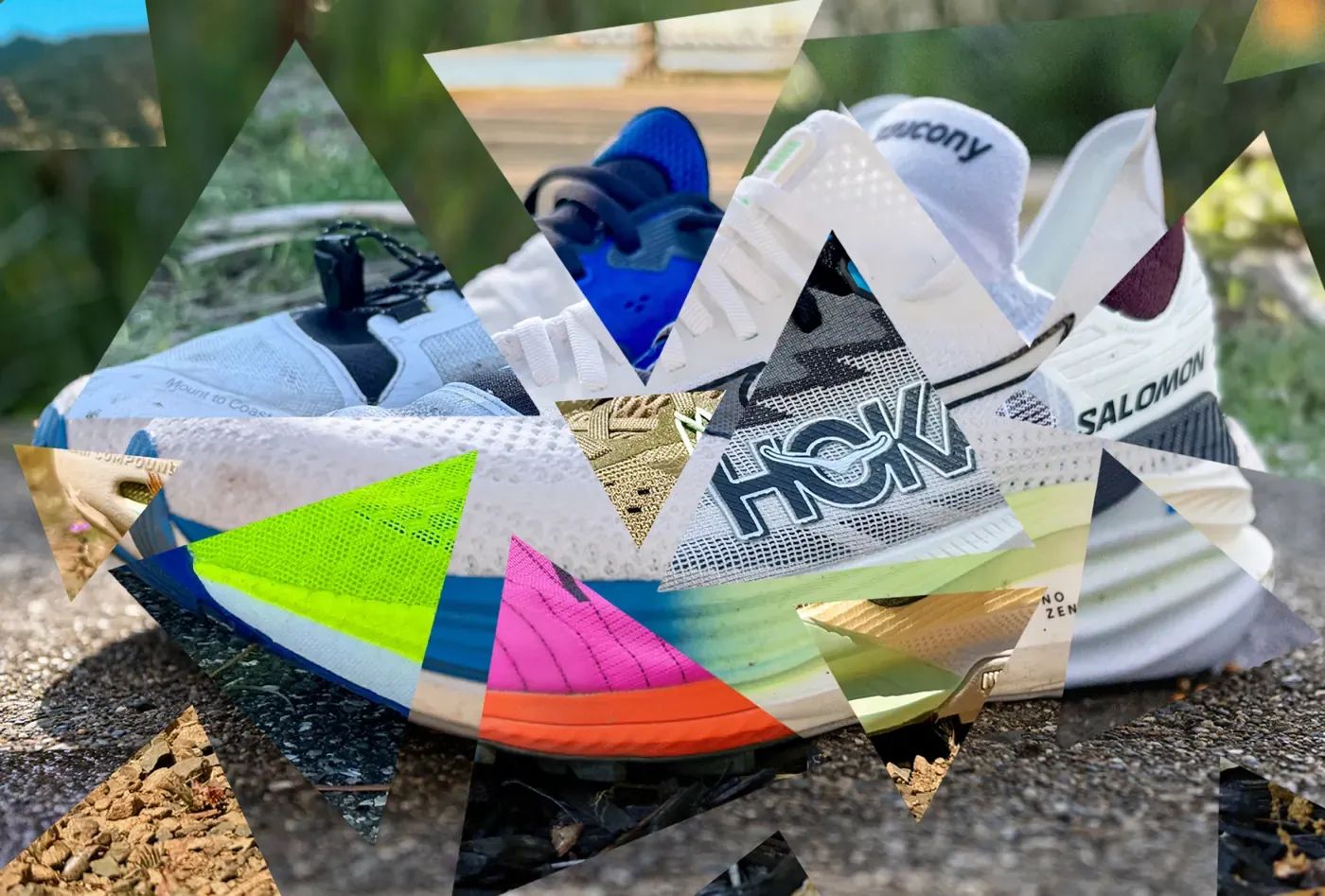
I've been reviewing running shoes for over 15 years, across roads, trails, and distances all the way up to ultra marathons. Every shoe in this guide has earned its spot through real-world performance, not just impressive specs on paper.
A quick note on how to use it: I've organized by use case, road shoes first then trail.
Each entry has the key specs, a summary of how it actually feels, and links to my Youtube review and in-depth blog review if you want to go deeper.
If you want to skip straight to trail shoes, jump down here.
Every pick here comes in both men's and women's versions. My fit and performance (and weight) notes are based on testing in a men's US size 9, but the ride characteristics carry across to the women's versions; my wife, Helen (also a runner) testifies to this.
Running training plan generator — road & trail, 5K to 100M
Build a personalized running training plan around your actual race date, current mileage, and experience level. Road and trail, any distance.
 Alastair Dixon
If you purchase gear through links in this article, I may earn a small affiliate commission. For my training tools, exclusive content, free newsletter, and more perks become a member, (it's free!). -Alastair ✌🏼
The best road running shoes
Best daily trainer: Altra Experience Flow 3
Price: $145 at Altra (best price and 7 colorways to choose from)
Altra Experience Flow 3 review: the daily trainer to beat
Smooth, stable, and comfortable for easy miles and long runs, with a roomy toe box, naturally low drop, and an Achilles-friendly heel that disappears on the run.
Alastair Dixon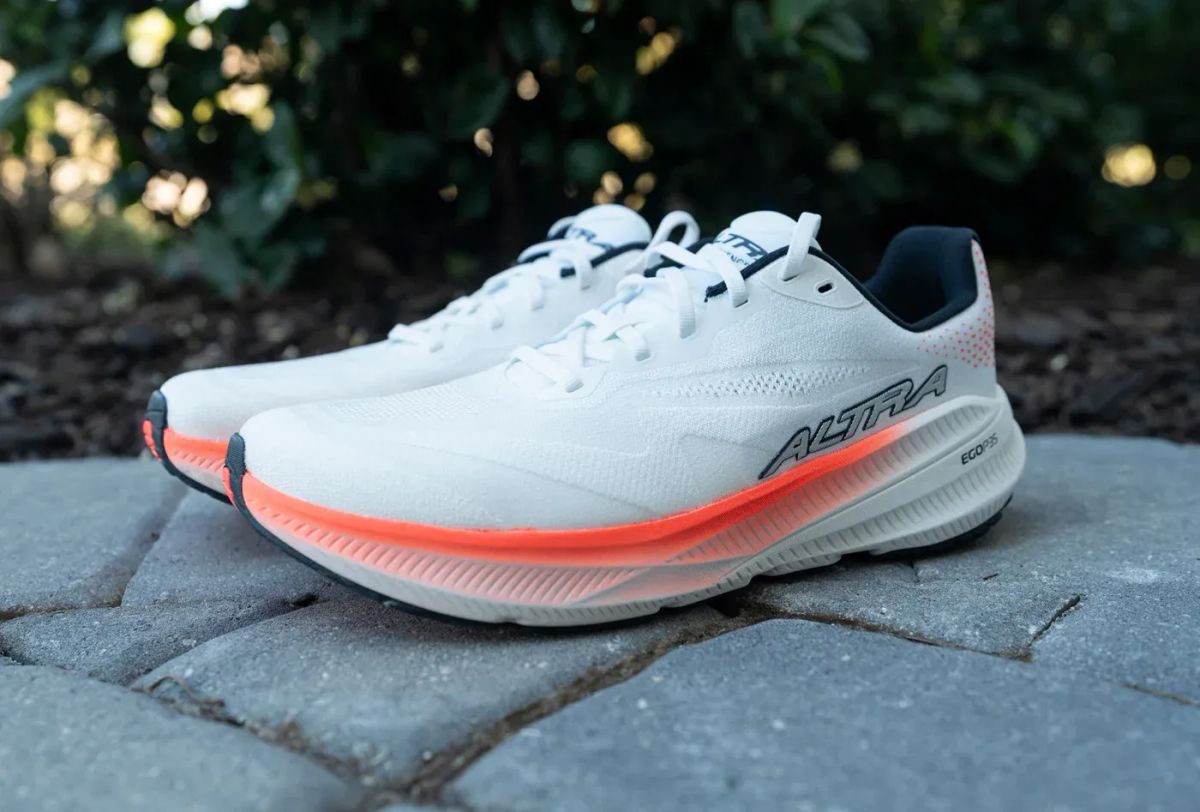
Fit: True to size, snug midfoot with roomy toe box | Weight: 8.4oz (238g) | Drop: 4mm | Stack: 32mm heel / 28mm forefoot | Midsole: EGO P35 | Outsole: Rubber
The Altra Experience Flow 3 is a simple, reliable daily trainer that makes consistent mileage feel easy. The EGO P35 midsole delivers a balanced ride that's soft enough to cushion landings without feeling disconnected, and stable enough to stay predictable mile after mile. There's a subtle rocker geometry that keeps transitions smooth without forcing anything, and the plush Achilles padding makes for excellent heel comfort, something I notice most during easy recovery runs when I'm just trying to stay comfortable.
What I appreciate about the Flow 3 is that it doesn't try to be anything it isn't. It's not the fastest shoe here, and it's not the most cushioned. It's a dependable daily trainer that covers easy runs, recovery jogs, and long steady efforts, and the FootShape toe box means you never feel cramped across longer efforts when feet start to swell.
If you're coming from shoes like the Saucony Ride or Brooks Ghost but want Altra's signature wide toe box and lower drop feel, this is the direct move.
Who it's for: Runners who want a smooth, stable daily trainer with a roomy toe box and natural low-drop feel. Great for everyday miles, recovery runs, and long steady efforts at comfortable paces.
Who should skip it: Runners wanting a shoe that can pull double-duty on tempo runs or speed work. That's the Endorphin Azura or Speed 5 below.
The Best Daily Trainer Running Shoes, Right Now
Reliable, cushioned running shoes designed for everyday miles, easy runs, and all the training in between.
Alastair Dixon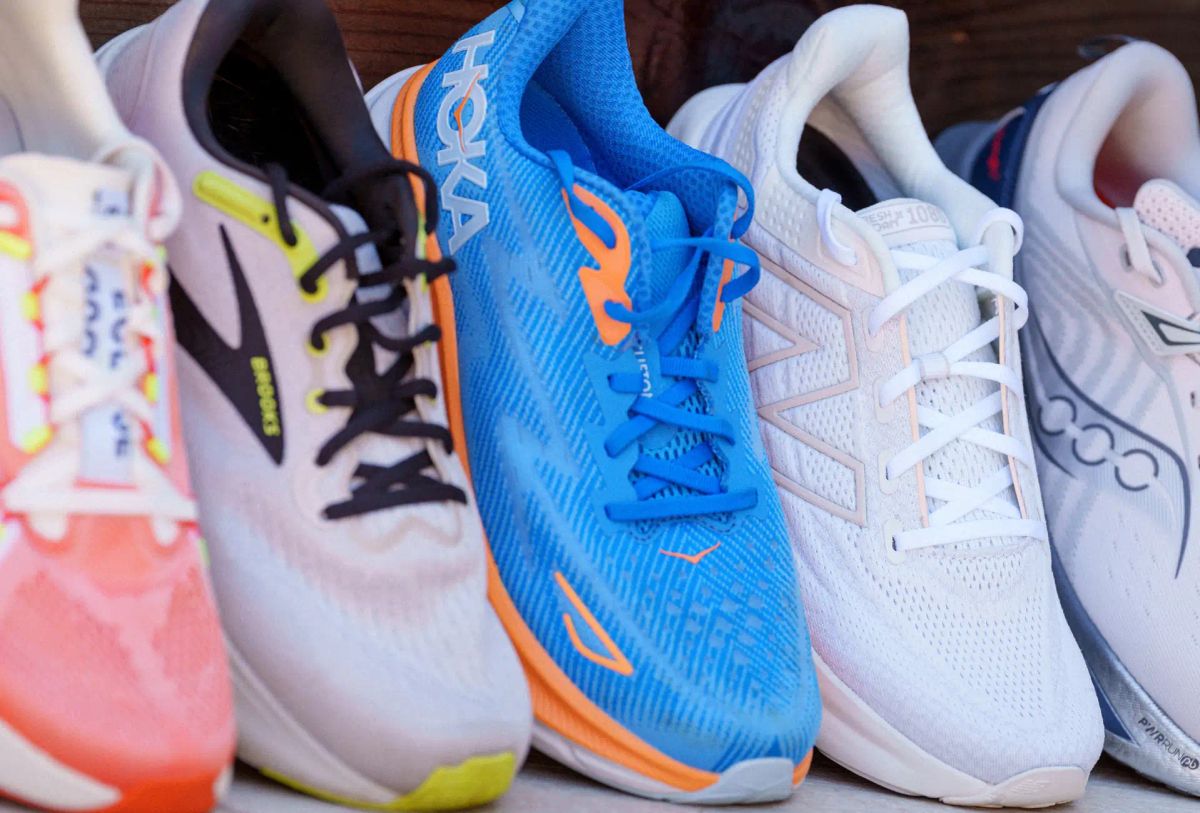
Best cushioned daily trainer: Altra FWD VIA 2
Price: $165 at Altra (best price and 7 colorways to choose from)
Altra FWD VIA 2 review: Smooth miles, maximum comfort
A max-cushioned road shoe with smooth EGO P35 foam for daily miles, recovery runs, and marathon training comfort.
Alastair Dixon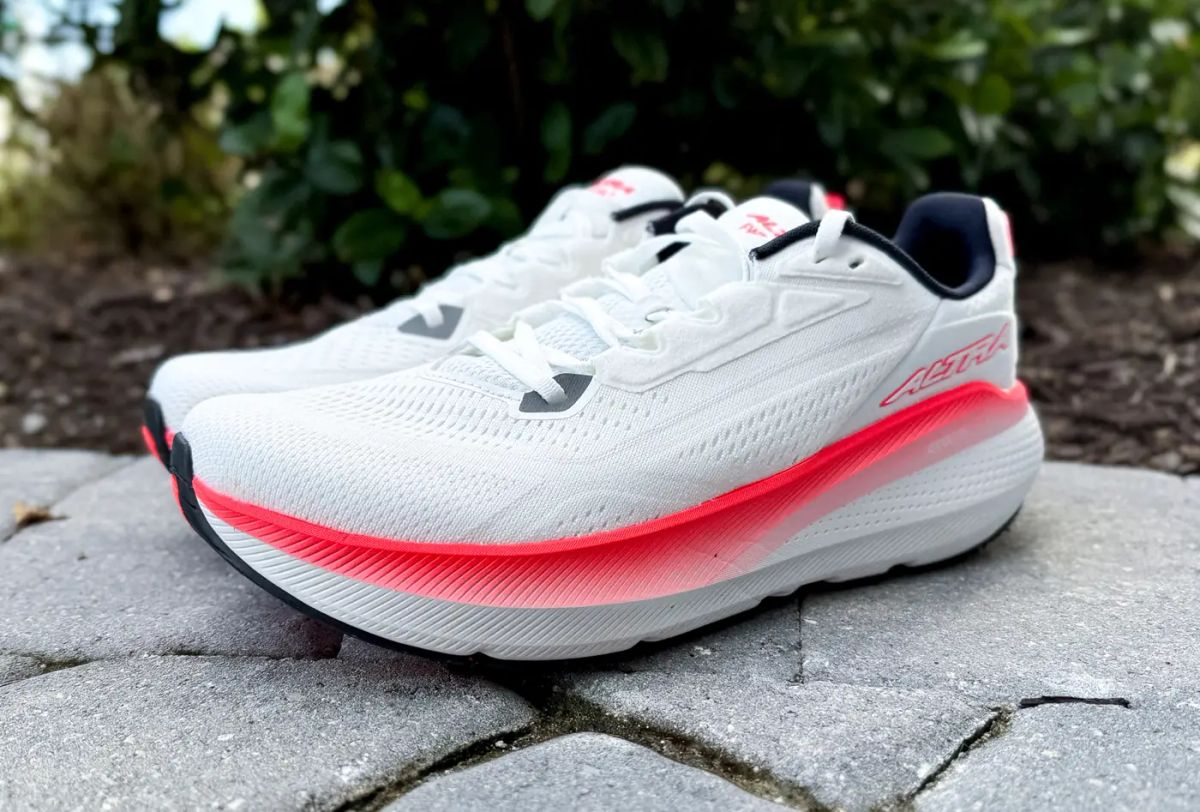
Fit: True to size | Width: Wide toe box (Original FootShape™ Fit) | Weight: 9.8oz (278g) | Drop: 4mm (37mm heel / 33mm forefoot) | Midsole: EGO P35 | Outsole: Rubber
The Altra FWD VIA 2 is a plush, max-cushioned road shoe built for comfort-first daily training, recovery runs, and marathon prep. If the Flow 3 is the everyday workhorse, the FWD VIA 2 is the shoe I pull out when my legs need looking after, or a long run is scheduled in my training plan.
The EGO P35 foam strikes a good balance between soft landings and stable transitions. It's not marshmallow-soft in the way some max-cushion shoes go too far into mushy territory, and it doesn't bottom out under load either. The subtle rocker geometry encourages a natural, forward-rolling stride that keeps things efficient even when you're cruising slowly, and the wide platform feels composed and planted even on tired legs at the end of a long run.
Altra's FootShape fit gives the toes room to splay naturally throughout the stride, and at 37mm of heel stack it's one of the deeper cushioned options in my rotation. For back-to-back long run days or any session where I want protection and comfort above all else, this is the shoe I reach for.
Who it's for: Recovery-focused runners, runners with plantar fasciitis who benefit from generous cushioning, anyone who wants max protection on easy miles, and runners who prefer a roomy toe box with a low drop. A strong pick for marathon training builds where legs are taking a lot of weekly volume.
Who should skip it: Runners who want a fast shoe or something that can handle tempo efforts. At 9.8oz it's not built for picking up the pace.
The Best Cushioned Running Shoes, Right Now
Comfortable, cushioned running shoes built for daily training, recovery runs, and keeping your legs feeling fresh across all distances.
Alastair Dixon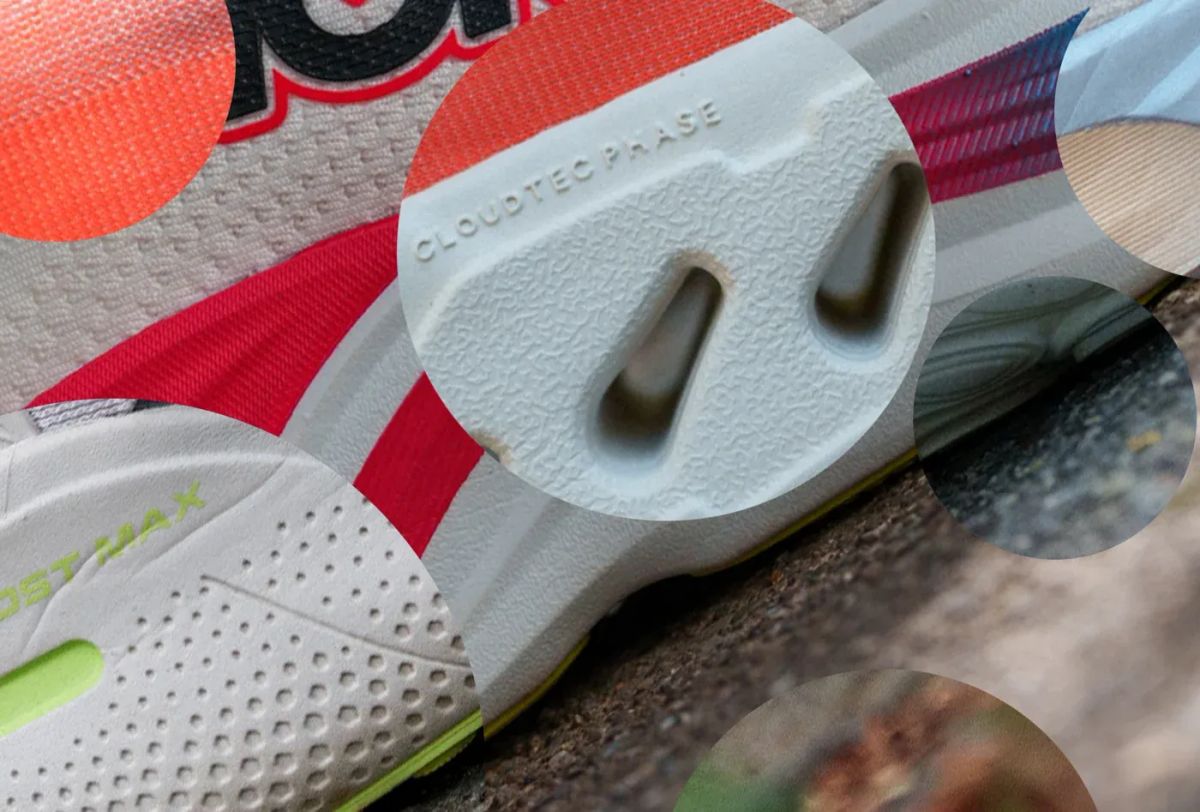
Best tempo and speed training shoe: Saucony Endorphin Speed 5
Price: $175 at Saucony (best price and 12 colorways to choose from)
Saucony Endorphin Speed 5 review: Still The Tempo G.O.A.T.
Small updates, same magic ride — the Endorphin Speed is an excellent speed training shoe, that just keeps getting better.
Alastair Dixon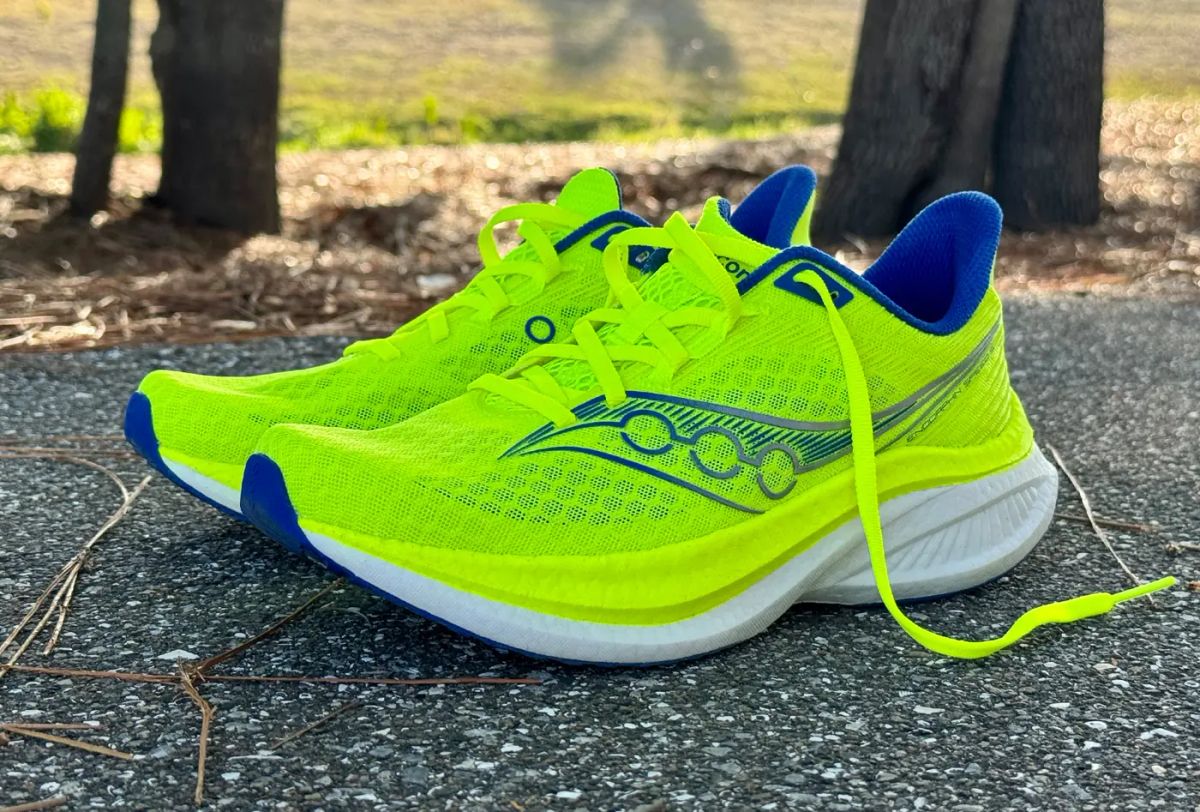
Fit: True to size | Width: Medium | Weight: 8.6oz (244g) | Drop: 8mm | Midsole: PWRRUN PB | Plate: Winged nylon | Outsole: XT-900 rubber
The Saucony Endorphin Speed 5 stays true to its fast, versatile roots. It's the shoe I've been reaching for on speed workout days (intervals, tempo runs, even daily training) for months, and it still earns that spot every time.
The PWRRUN PB foam and winged nylon plate create a propulsive, energetic ride that works brilliantly at tempo and interval pace without becoming stiff or awkward at easier efforts. The articulated heel counter locks the rearfoot in securely, which I appreciate during faster sessions.
The nylon plate matters here. It's more flexible and natural than a carbon plate, which means you don't need to be running at race pace to get the benefit. At marathon pace or steady threshold, it still flows well without the forced forward sensation some stiffer carbon shoes impose. A genuinely versatile speed tool.
Who it's for: Runners who want a speed training shoe that works across a range of faster paces. Also a solid daily trainer and race shoe for 5K to half marathon for runners who don't want to spend $250 on a carbon plate super shoe.
Who should skip it: Runners wanting purely soft cushioning or a true carbon plate racing experience.
The 11 Best Tempo Running Shoes, Right Now
Firm, fast trainers and cushioned super-tempo options built for speed training, without sacrificing comfort.
Alastair Dixon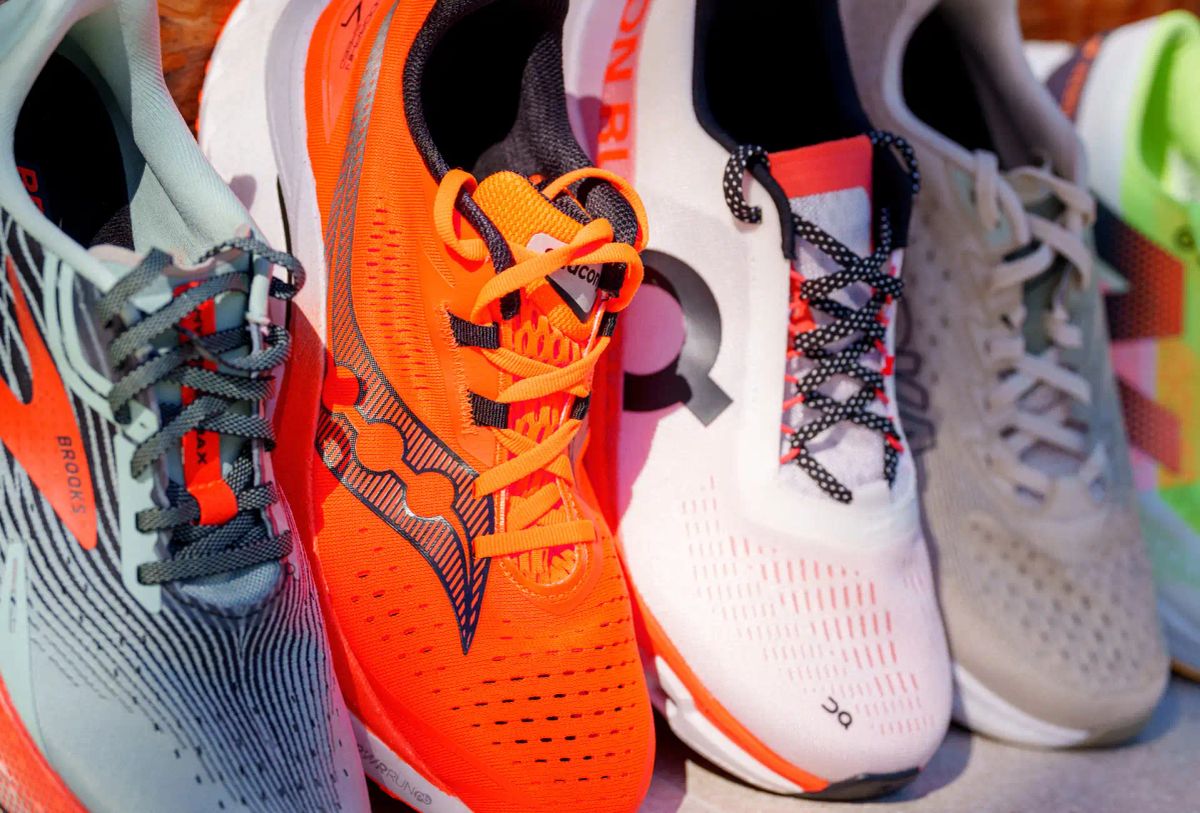
Best super trainer: Saucony Endorphin Azura
Price: $150 at Saucony (best price and 9 colorways to choose from)
Saucony Endorphin Azura review: meet the new super trainer to beat
Move over Megablast, there’s a new king, in town. The Azura is a high-stack, non-plated PWRRUN PB trainer built for consistent mileage, and fast sessions, for those who want one shoe to do nearly everything.
Alastair Dixon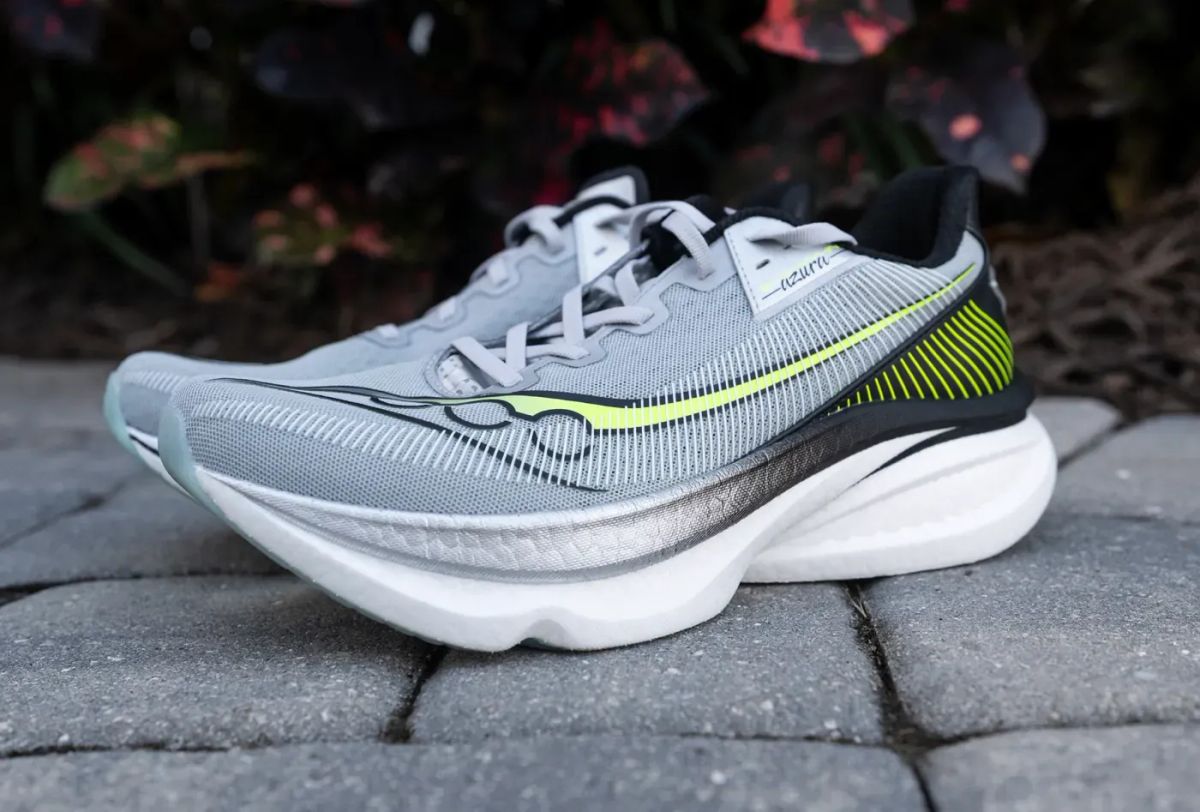
Fit: True to size | Width: Medium | Weight: 8.5oz (240g) | Drop: 8mm (40mm heel / 32mm forefoot) | Midsole: PWRRUN PB | Outsole: XT-900 rubber
The Saucony Endorphin Azura is the super trainer to beat right now. It's a non-plated, high-stack PWRRUN PB powerhouse that weighs just 8.5oz, and it delivers bouncy, responsive energy return that I normally associate with Saucony's faster, more expensive lineup, but without any plate and without the stiffness that comes with one.
SPEEDROLL geometry keeps transitions smooth and the toe-off satisfyingly lively, whether I'm cruising easy miles or leaning into a tempo session. At 40mm stack height, the shoe should feel sketchy at speed, into corners, or on tired legs. It doesn't. The base geometry keeps things planted and composed across the full pace range, and the XT-900 outsole handles wet roads confidently.
At $150, it feels like a $200+ shoe on the run. That's the honest version of the story. Stable and versatile for easy miles, tempos, long runs, and even marathon racing, it's the shoe that makes simplifying your rotation into one do-everything option actually work. Move over Megablast, there's a new king in town.
The difference between the Azura and the Experience Flow 3 above: the Flow 3 is a pure, calm daily trainer for controlled paces. The Azura is for runners who want that plus a lively, energetic feel when the pace picks up.
Who it's for: Runners who want one high-stack shoe to cover most of their training week. Especially strong for runners who want the feel of a super trainer without the plate, and for anyone building toward a marathon who wants versatility in a single shoe.
Who should skip it: Runners who specifically need a stability shoe or want a purely soft, relaxed cushion experience for recovery-only runs. See the Hurricane 25 and FWD VIA 2 for those.
The Best Super Trainers, Right Now
The max-cushioned, high-stack, yet responsive daily trainers, that actually make you want to run longer AND faster.
Alastair Dixon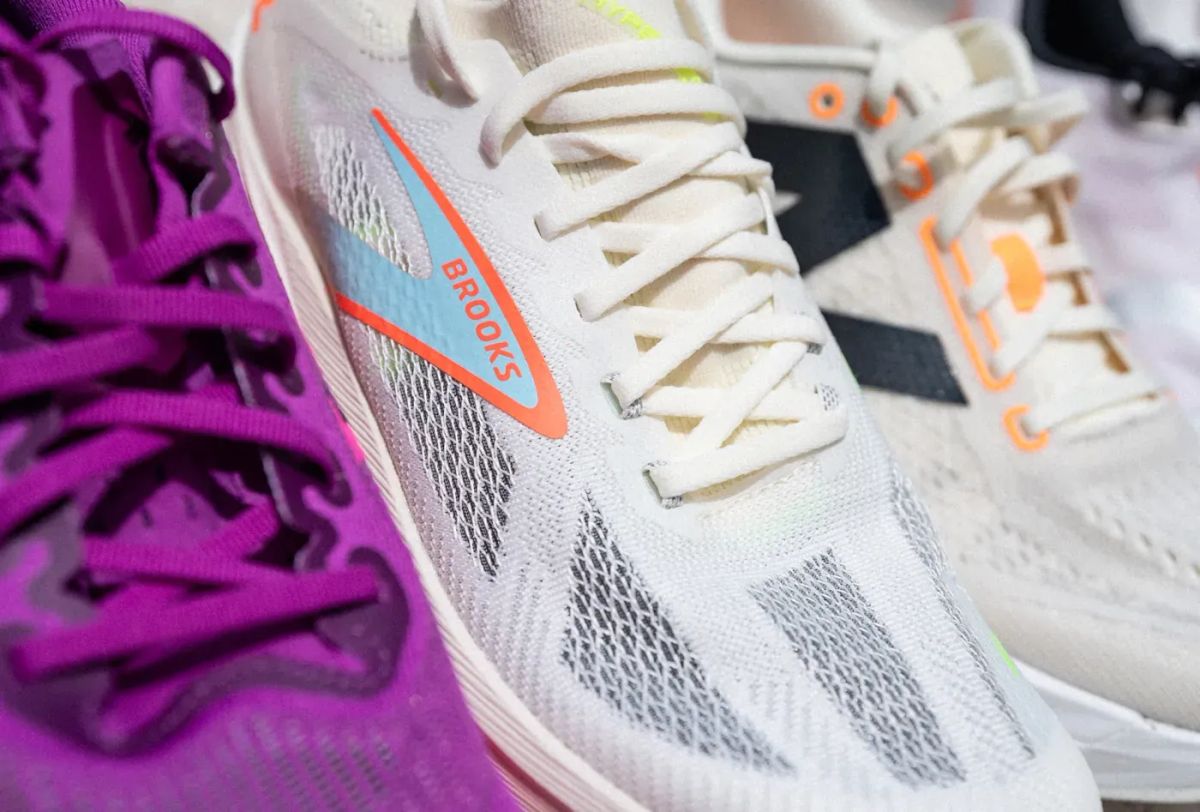
Best carbon plate running shoe: Hoka Rocket X 3
Price: $250 at REI (best price and 2 colorways to choose from)
HOKA Rocket X 3 Review: Faster, Lighter, and Now More Stable
Lighter, more stable, more breathable, and easier to wear—the Rocket X 3 fixes its flaws and flies even better than before.
Alastair Dixon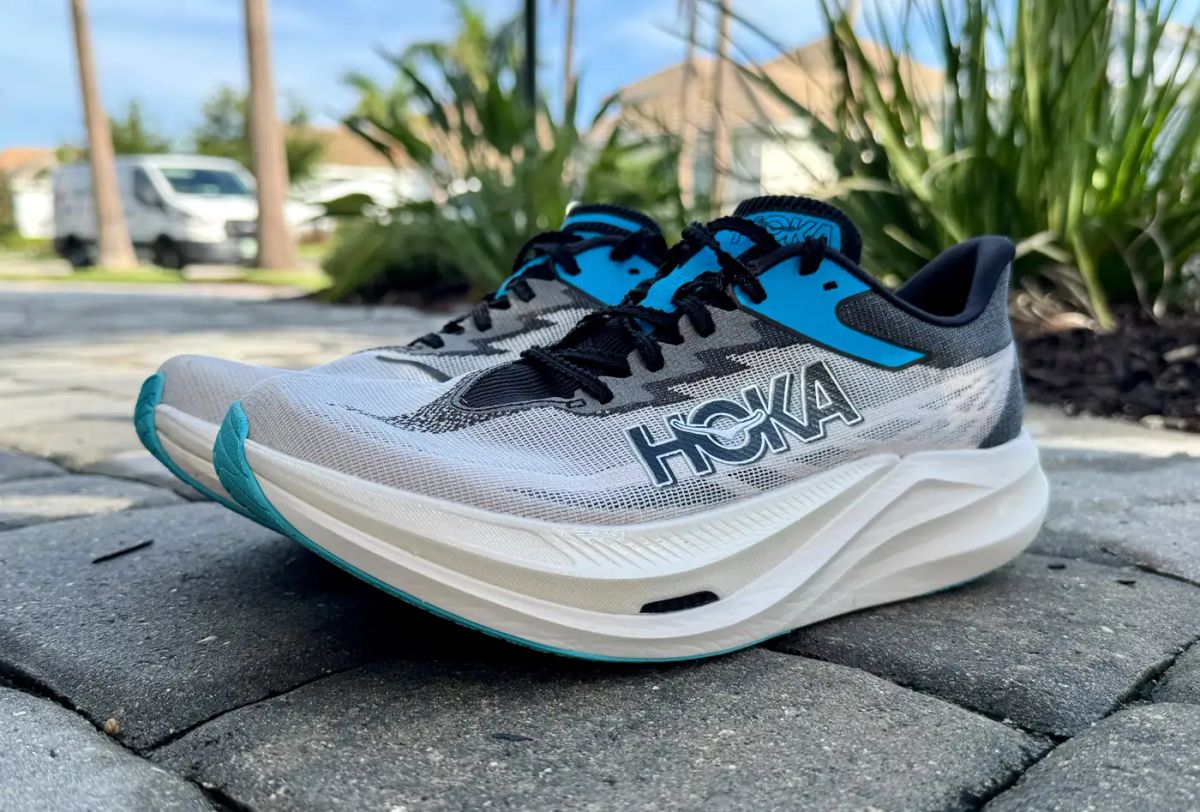
Fit: True to size | Width: Medium | Weight: 7.3oz (207g) | Drop: 7mm | Midsole: Dual-density PEBA | Plate: Winged carbon | Outsole: Improved rubber compound
The Hoka Rocket X 3 is my top carbon plate pick right now. It's lighter than the Rocket X 2, more breathable, easier to get on, and noticeably more stable across longer efforts. HOKA has made smart updates across the board here, and the result is the best version of this shoe yet.
The dual-density PEBA midsole has a more forgiving top layer over a firmer base, so you get bounce and propulsion without the wobble or unpredictability you get from some of the softer super shoes. The winged carbon plate and Meta-Rocker geometry create a smooth, fluid foot roll through toe-off rather than an aggressive snap, which works well across the full marathon distance and not just at 5K effort. Traction from the improved outsole rubber is better than previous Rocket X versions and inspires confidence on wet roads and tight corners.
It won't give you the most explosive rebound you can find in a super shoe (that's the Endorphin Elite 2 territory), but for the vast majority of runners who want race-day efficiency and stability from start to finish, the Rocket X 3 is more useful in practice than the more aggressive options.
Follow These Tips To Get Faster At Running
How to get faster at running by training smarter—real insights from years of chasing speed on roads and trails.
Alastair Dixon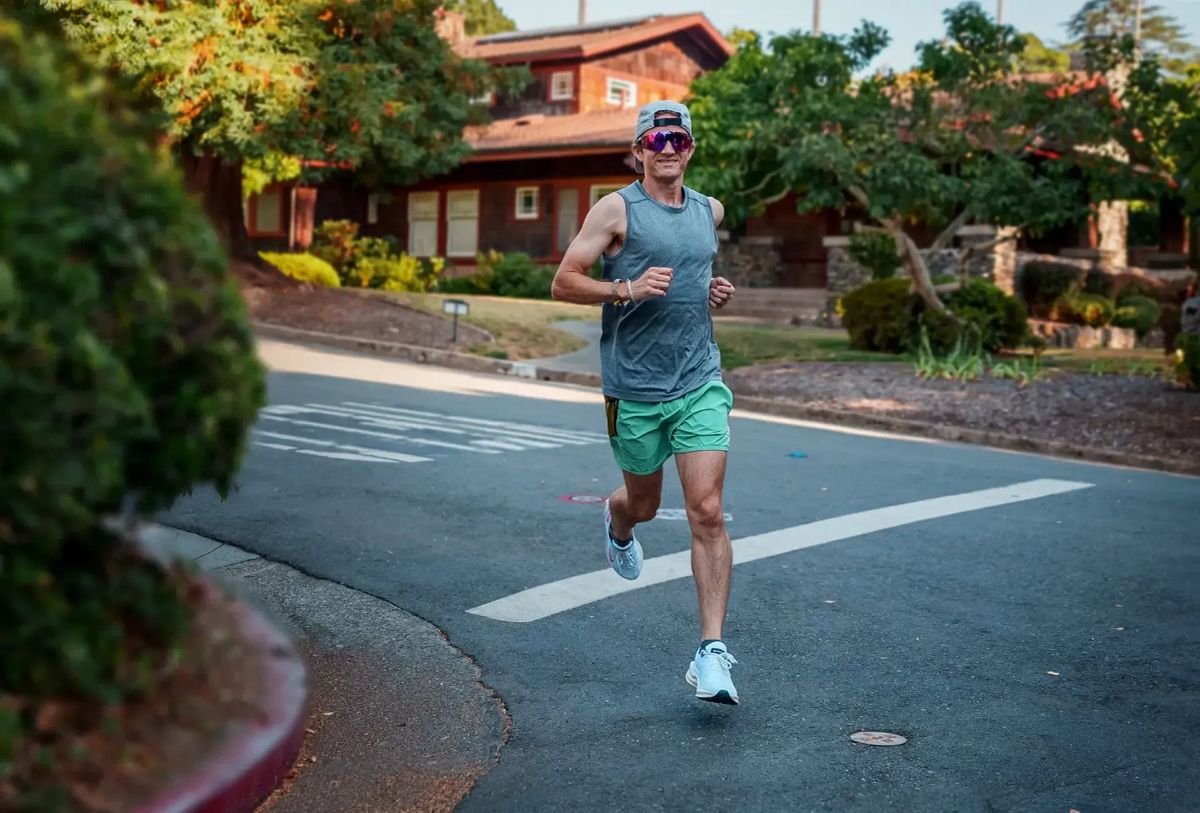
Who it's for: Runners targeting races from 5K to marathon who want a fast, controlled, stable ride. Works particularly well for runners who have found other super shoes too unstable or unpredictable when fatigued.
Who should skip it: Runners who want maximum foam softness or a very wide toe box. If you specifically want the softest super shoe experience available, look at the Endorphin Elite 2.
The Best Carbon Plate Running Shoes For Race Day, Right Now
Fast, premium, and efficient running shoes designed for racing, speedwork, and pushing the pace with every stride.
Alastair Dixon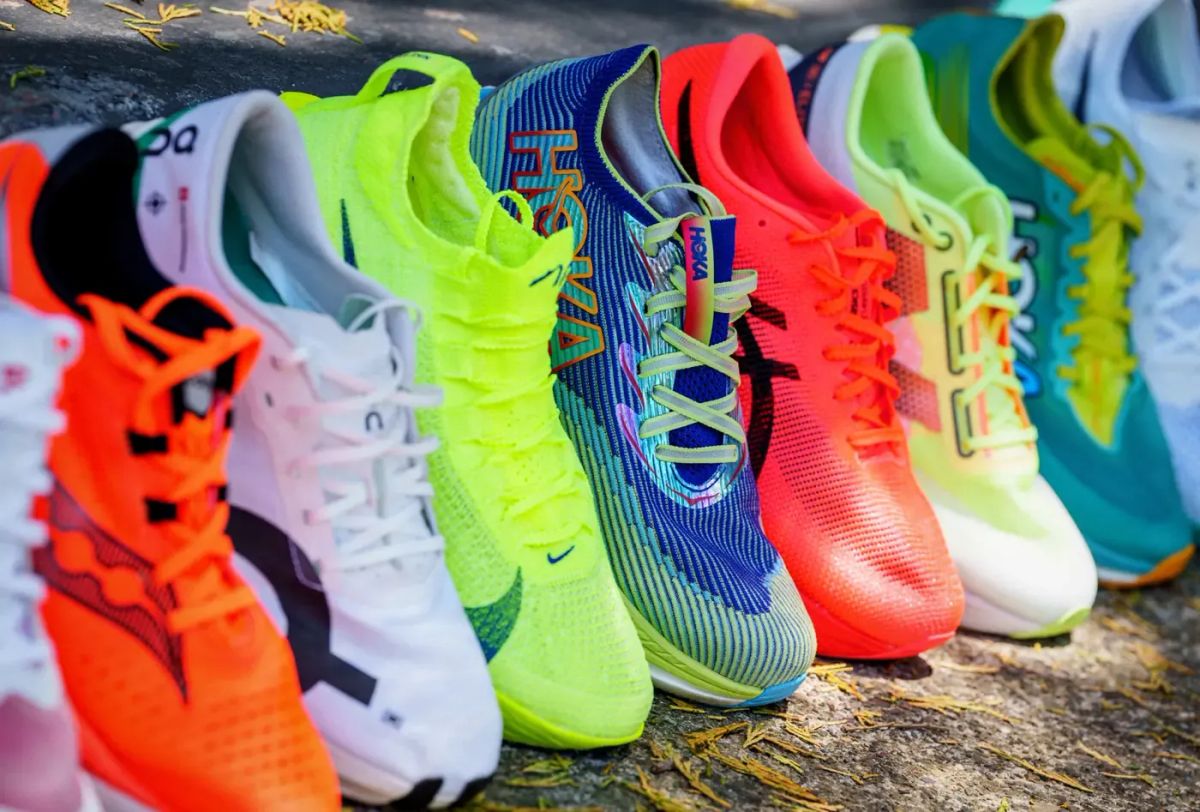
Best stability running shoe: Saucony Hurricane 25
Price: $170 at Saucony (best price and 15 colorways to choose from)
Fit: True to size | Width: Medium (wide available) | Weight: 10.5oz (298g) | Drop: 6mm | Midsole: PWRRUN PB + PWRRUN dual-foam | Outsole: XT-900 rubber
The Saucony Hurricane 25 is the shoe I recommend to runners who need a supportive daily trainer that doesn't compromise on cushioning. It's Saucony's max-cushioned stability trainer, and version 25 is the best yet.
The dual-foam midsole (PWRRUN PB over PWRRUN) is livelier and better balanced than the Hurricane 24. More bounce while keeping that wide, stable base. It performs equally well at heel or forefoot strike, transitions roll smoothly, and the ride feels confidence-building rather than corrective. Outsole durability has been significantly improved over the 24, which was a real weak point of that shoe.
The upper is softer and more forgiving on foot than the previous version, though it still runs warm on hot days. If you train in a warm climate, that's worth factoring in. For runners with flat feet, plantar fasciitis, or overpronation who need support and real cushioning together, this is the most complete option on this list.
Who it's for: Runners who overpronate, need medial support, have flat feet, or manage plantar fasciitis. Also suits heavier runners who want both cushion and structure. Wide version available.
Who should skip it: Neutral shoe runners, those who want a faster daily trainer, and runners in hot climates where shoe warmth is an issue.
The 11 Best Stability Running Shoes, Right Now
Supportive, cushioned running shoes built to keep your stride steady during daily runs, longer efforts, and recovery days.
Alastair Dixon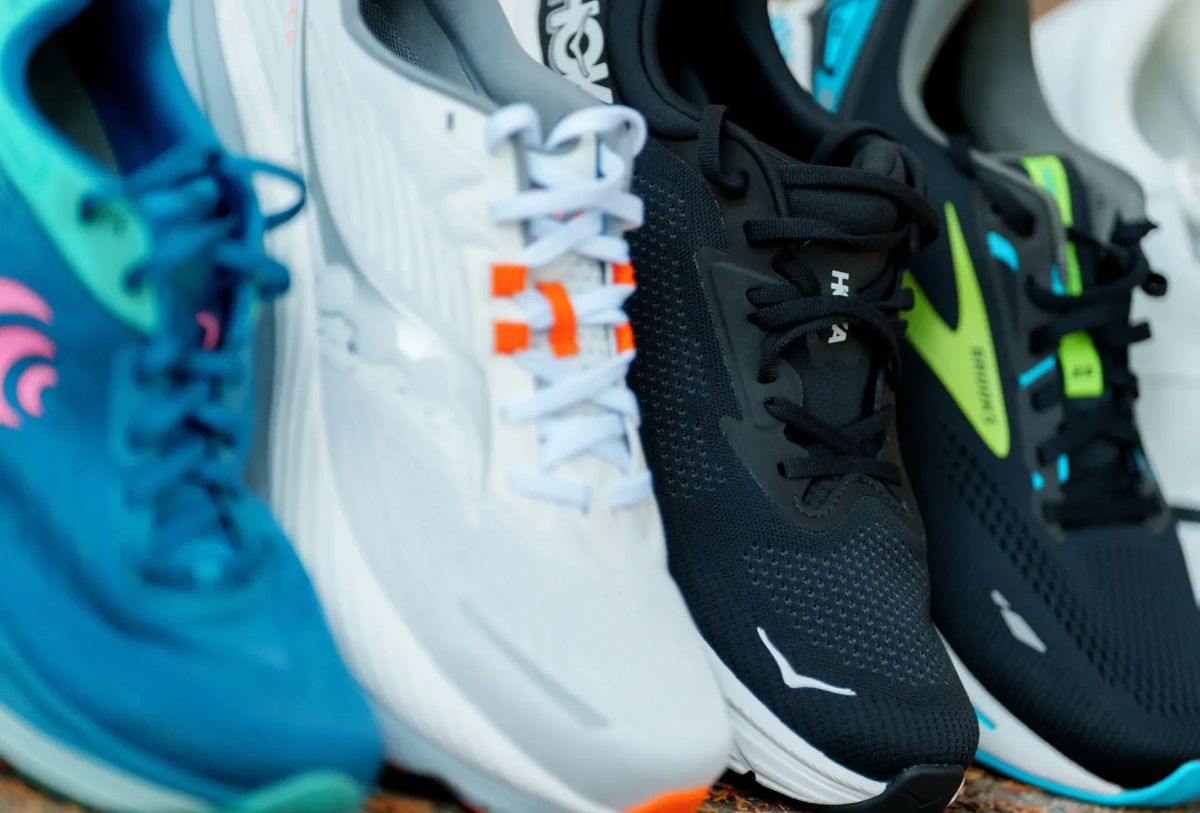
The best trail running shoes
Best road-to-trail shoe: Altra Experience Wild 3
Price: $150 at Altra (best price and 5 colorways to choose from)
Altra Experience Wild 3 review: a smarter road-to-trail shoe upgrade
More lively than before, still brilliantly versatile, the Experience Wild 3 builds on everything that made this Altra hybrid so easy to recommend.
Alastair Dixon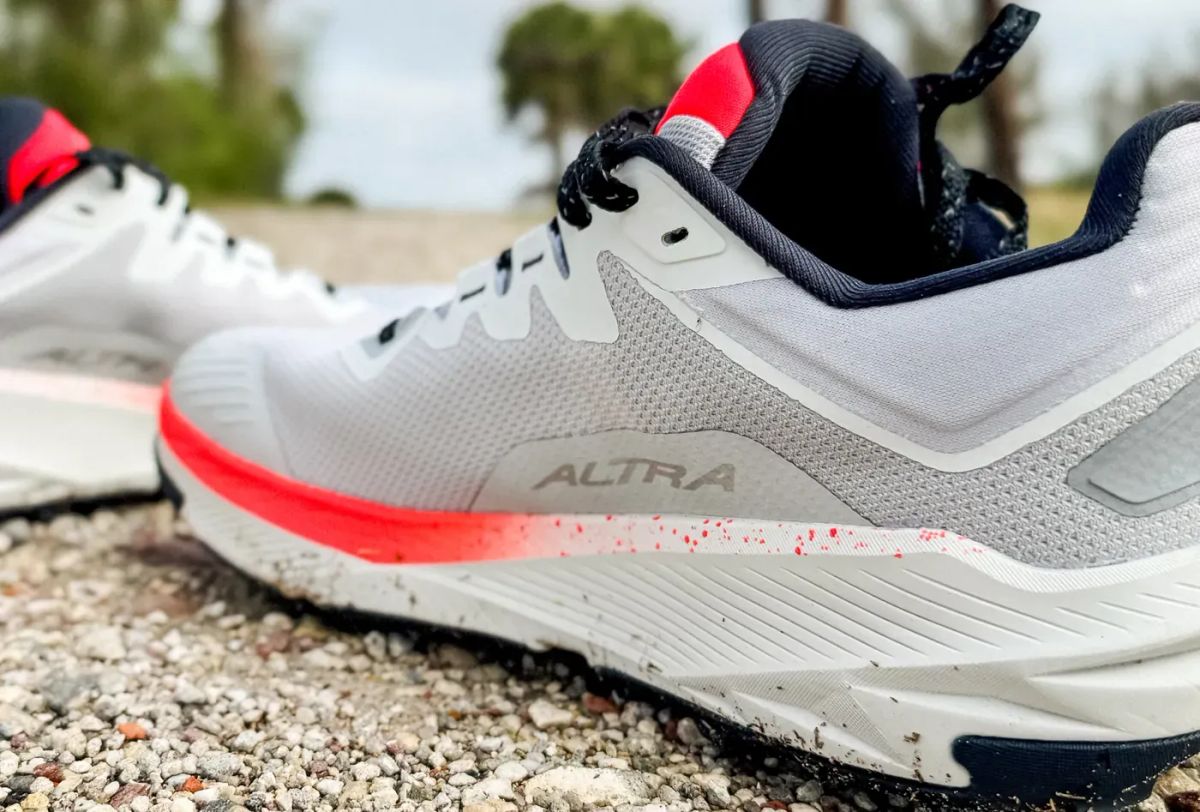
Fit: True to size with roomy toe box, secure midfoot, and locked-in heel | Weight: 10.3oz (292g) | Drop: 4mm (32mm heel / 28mm forefoot) | Midsole: EGO P35 | Outsole: MaxTrac rubber
The Altra Experience Wild 3 is one of the most approachable road-to-trail shoes right now, especially for runners who want a natural-feeling hybrid without going fully zero-drop. It handles pavement, gravel, buffed singletrack, and mixed terrain with ease, and the smooth rocker geometry combined with a lively EGO P35 midsole keeps turnover efficient without losing that grounded, stable feel.
Compared to the previous version it's more polished across the board: a livelier ride, more refined upper, and increased outsole coverage for better confidence and durability. The roomy FootShape fit up front combines well with the excellent heel and midfoot lockdown, so it feels planted and secure even on varied terrain. There's enough cushioning for longer efforts and all-day comfort, but it never goes mushy or disconnects you from the ground, which matters on surfaces where you need to read what's underfoot.
The MaxTrac outsole grips reliably on road, gravel, dry trails, rocks, and roots. It's best suited to moderate terrain rather than steep, loose, or highly technical trails. For those situations, see the Xodus Ultra 4 below. But for runners who want one shoe that can genuinely cover both road and trail miles without compromise, this is a seriously good pick.
Who it's for: Road runners who regularly dip into light trails, gravel, or parks. Travel runners who want one versatile shoe. Also a strong option for runners who want a low-drop hybrid with a roomy toe box.
Who should skip it: Runners who need aggressive traction on wet, steep, or technical mountain terrain. The Experience Wild 3 is a road-to-trail shoe, not an all-mountain shoe.
The 12 Best Road-To-Trail Running Shoes, Right Now
All-terrain, transition running shoes are capable on a mixture of light trails, such as parks, forest trails and gravel tracks, as well as road surfaces
Alastair Dixon
Best all-mountain trail shoe and best for ultra running: Saucony Xodus Ultra 4
Price: $170 at Saucony (best price and 4 colorways to choose from)
Saucony Xodus Ultra 4 Review: A Solid All Mountain Shoe
All-mountain comfort and grip built for long distance efforts, Saucony is nailing it with their 2025 releases, so far.
Alastair Dixon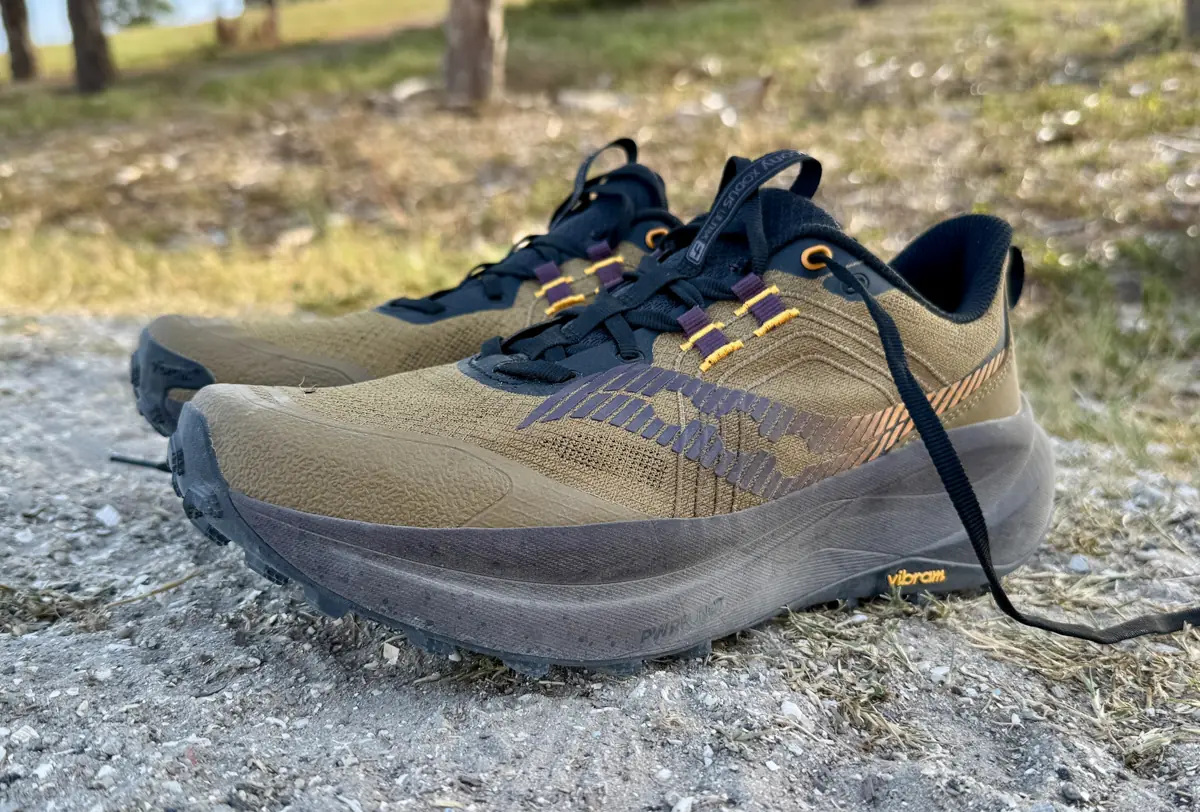
Fit: True to size | Width: Medium | Weight: 10.7oz / 303g | Drop: 6mm (36mm heel / 30mm forefoot) | Midsole: PWRRUN PB with PWRRUN Frame | Outsole: Vibram Megagrip with 4mm lugs
The Saucony Xodus Ultra 4 is the trail shoe I'd keep if I could only have one. It handles dry trails, loose terrain, rocky paths, wet mud, and long mountain days with the same composed, dependable ride, and it keeps feet comfortable across ultra-distance efforts without turning into a problem.
The PWRRUN PB midsole with PWRRUN Frame delivers a perfectly balanced ride: soft enough for long efforts, firm and stable enough to stay composed on uneven terrain. The Vibram Megagrip outsole with 4mm lugs grips confidently on everything from gravel to slick rock, and the reinforced engineered mesh upper sheds dust and debris without trapping excessive heat over big days.
What I appreciate most is how the shoe disappears on your foot. No hotspots, no unusual pressure points, just consistent protection and comfort mile after mile. For ultra running specifically, it checks every box: protective, durable, reliable over time, and comfortable enough to stay in all day. If I had to choose one trail shoe, this would be it.
7 Tips For Running Longer Distances
Learn how to build stamina, properly fuel your body, and develop mental resilience to hit your long-distance running goals!
Alastair Dixon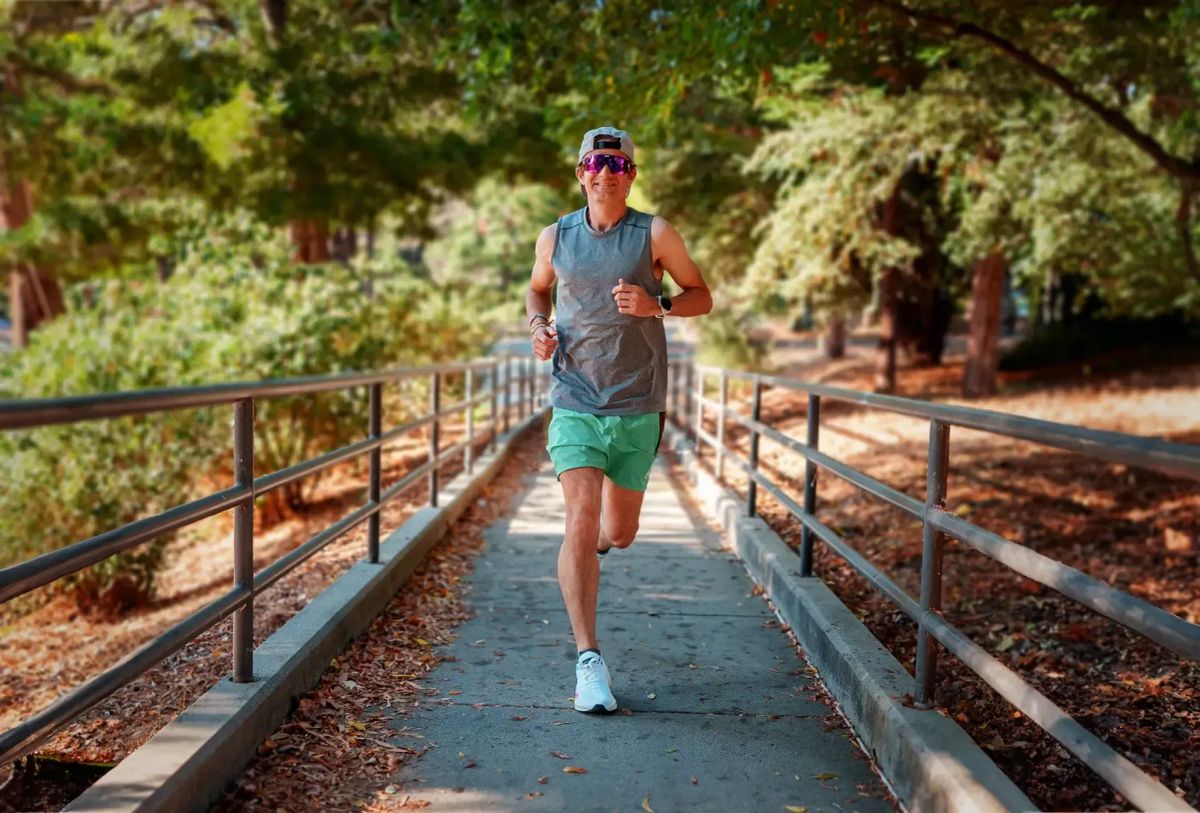
Who it's for: Trail runners tackling long mountain days, ultras, or any mixed-terrain adventure where durability and grip matter more than all-out speed.
Who should skip it: Runners who want a lightweight trail racer for fast efforts and technical racing. The Long Sky 2 Matryx below is the one for that.
The Best All-Mountain Trail Running Shoes, Right Now
The do-it-all workhorses built for everything from mellow fire roads to technical mountain trails, and even ultra running adventures.
Alastair Dixon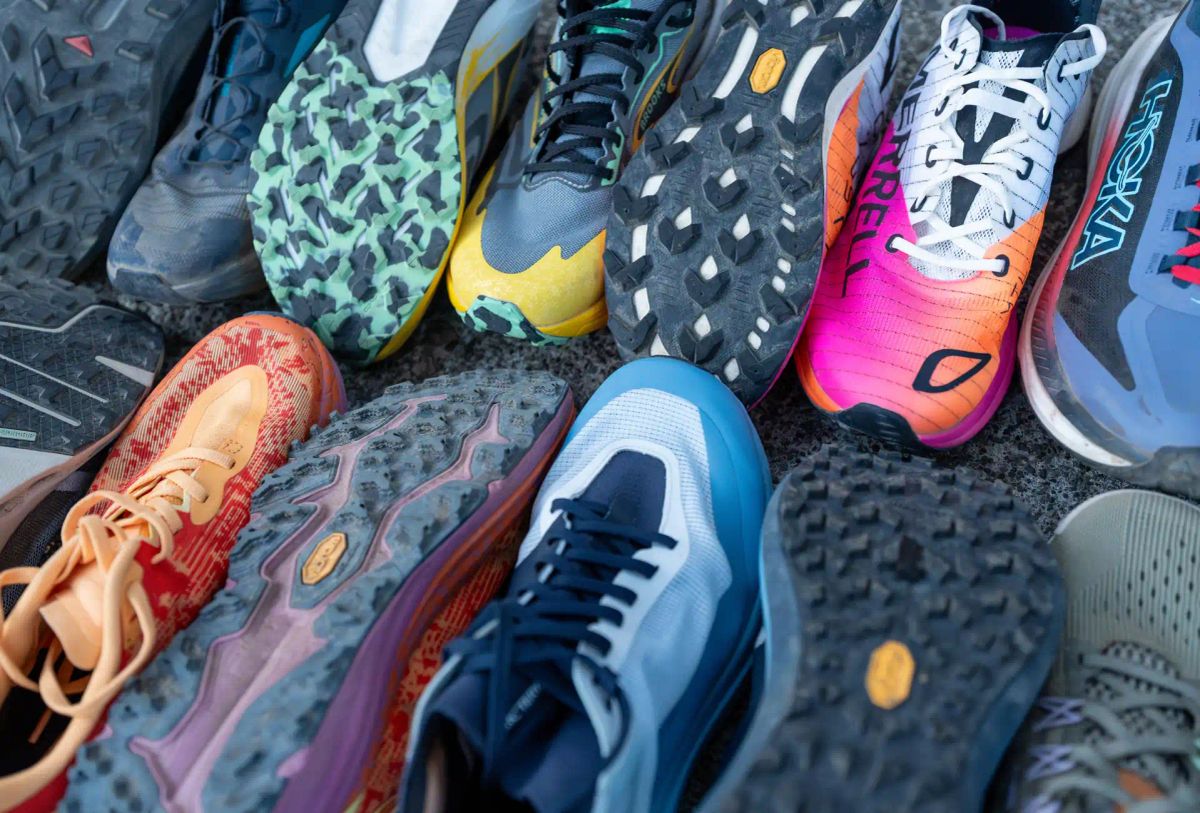
Best trail racing shoe: Merrell MTL Long Sky 2 Matryx
Price: $170 at Merrell (best price and 4 colorways to choose from)
Merrell MTL Long Sky 2 Matryx Review
Alastair explores the rugged agility and responsive design of Merrell’s latest trail running shoe for mountain runners.
Alastair Dixon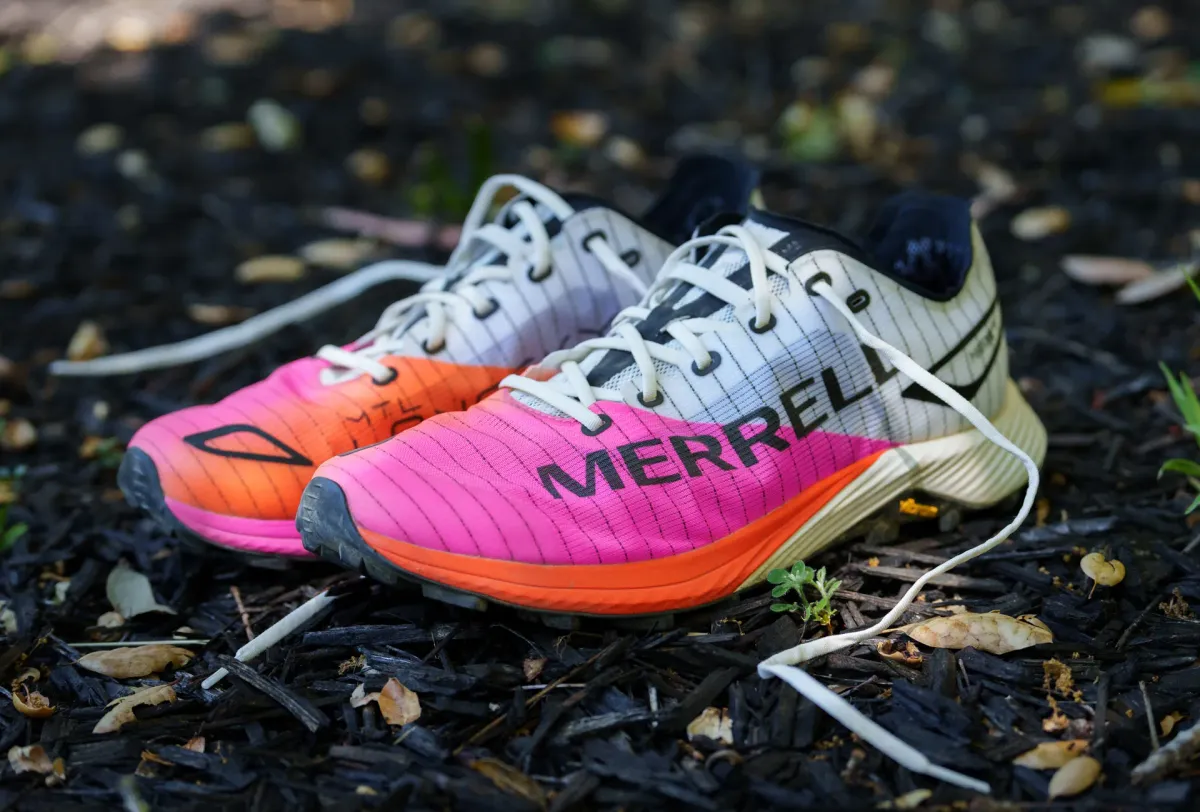
Fit: True to size | Width: Medium | Weight: 8.9oz (252g) | Drop: 4mm | Midsole: Dual-density FloatPro foam | Upper: Matryx (Kevlar + polyamide) | Outsole: Vibram Megagrip with 5mm lugs
The Merrell MTL Long Sky 2 Matryx is the trail racing shoe I keep returning to for fast mountain efforts. It combines a Kevlar-reinforced Matryx upper that's genuinely breathable and durable with a dual-density FloatPro foam midsole that balances real ground feel with enough protection to stay comfortable through climbs and long technical descents.
The Vibram Megagrip outsole with 5mm lugs is exceptional. On steep climbs and technical descents it grips with real confidence across loose gravel, wet rock, and mixed mountain terrain. The 4mm drop keeps the foot in a natural position that suits fast, agile movement on uneven surfaces. The Matryx upper holds the foot securely without stiffness, and durability & breathability is noticeably improved over the standard Long Sky 2 (standard) upper.
This is a shoe for runners who want to move fast over technical terrain up to around 50K. It's not the plushest shoe here, and if you need more cushioning for slower efforts or long flat sections on hard-packed trails, the Xodus Ultra 4 will serve you better. But for skyrunning, mountain racing, and fast technical efforts, this is the most capable shoe I've run in at this price.
For VK racing, check out the MTL Skyfire 2, a lighter, more stripped-down version built for pure uphill speed.
Who it's for: Trail racers and fast mountain runners who want maximum grip, agile handling, and durability over technical terrain up to 50K.
Who should skip it: Runners needing max cushion for long flat ultras or who prefer a softer, more protective ride. The Xodus Ultra 4 is the better pick there.
The Best Trail Racing Shoes, Right Now in 2026
Premium trail running shoes designed for getting the most out of your race day; including vertical kilometers, skyraces, ultramarathons.
Alastair Dixon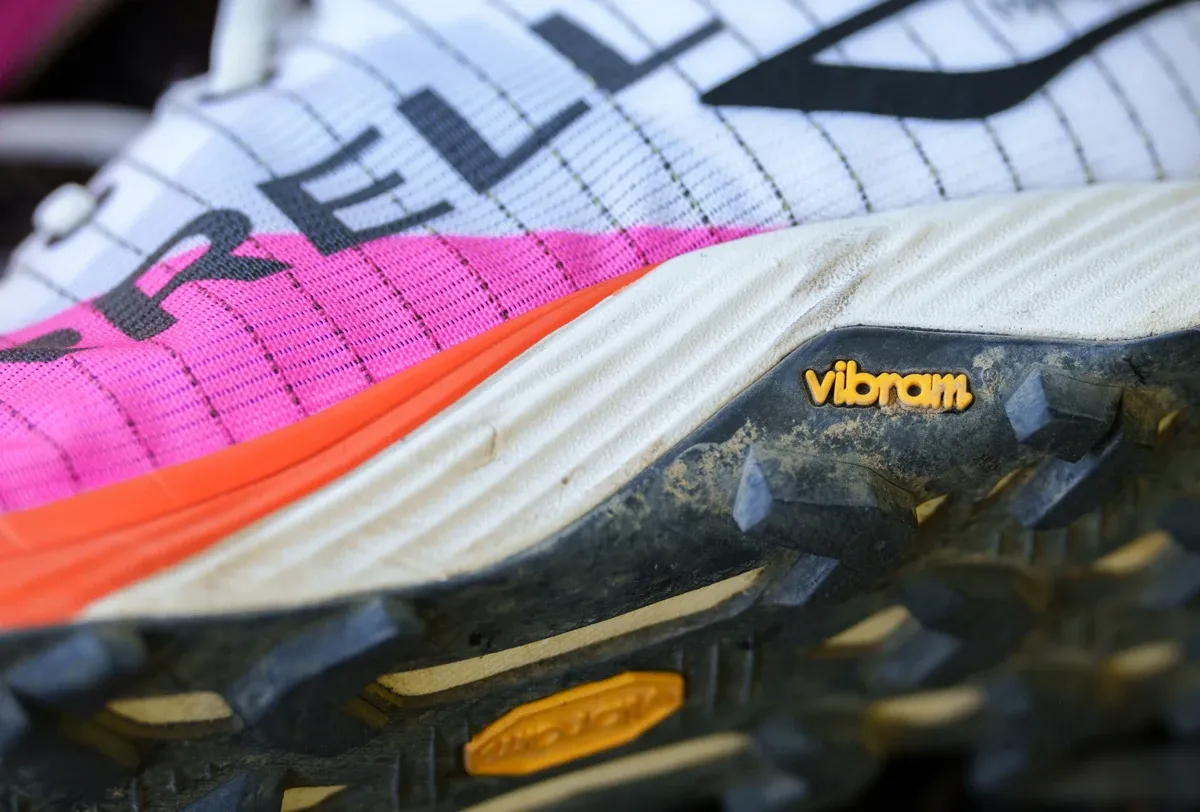
How to choose the right running shoes
If you're new to running (or returning after a break)
Start with something forgiving and comfortable. The Altra Experience Flow 3 is a strong everyday option for most new runners who want a natural feel and roomy fit. If you know you overpronate or have flat feet, the Saucony Hurricane 25 is the more supportive starting point.
If you run mostly on roads
The Saucony Endorphin Azura as your one-shoe rotation is hard to beat for runners who want versatility and energy. Pair it with the Altra FWD VIA 2 for recovery days if you run high weekly mileage. For speed sessions, the Endorphin Speed 5 earns its place.
If you need a stability shoe
The Saucony Hurricane 25 is the top pick. Reliable support without feeling stiff or overly corrective. The Saucony Guide 19 is worth checking if you want something lighter with just a touch of stability baked in.
If you have wide feet or prefer a roomy toe box
All three Altra shoes here (Experience Flow 3, FWD VIA 2, Experience Wild 3) use the Original FootShape™ toe box, which is one of the roomiest fits in running shoes. The Hurricane 25 also comes in a wide version.
If you run trails
Start with the Altra Experience Wild 3 if you split miles between roads and trails. Go to the Saucony Xodus Ultra 4 if your running is primarily on proper trails or mountains. For fast trail races and mountain efforts, the Long Sky 2 Matryx is the one.
If you're training for a marathon
Build your long run and easy miles in the Saucony Endorphin Azura or the Altra FWD VIA 2 depending on how much cushion you want. Do quality sessions in the Endorphin Speed 5. On race day, the Hoka Rocket X 3 is the most versatile and stable carbon plate option here.
If you're managing plantar fasciitis
Generous cushioning and a low drop work well for most. The Altra FWD VIA 2 (neutral, cushioned) and the Saucony Hurricane 25 (cushioned + supportive) are both strong options depending on whether you also overpronate.
Building your rotation
You don't need every shoe here. For most runners, two or three covers it:
- For daily miles: Altra Experience Flow 3 (easy/recovery-paced) or Saucony Endorphin Azura (more versatile, faster range)
- For recovery days / big mileage weeks: Altra FWD VIA 2 For speed sessions: Saucony Endorphin Speed 5
- For race day: Hoka Rocket X 3
- For trail running: Saucony Xodus Ultra 4 (all-mountain/ultra) or Altra Experience Wild 3 (road-to-trail)
- For trail racing: Merrell MTL Long Sky 2 Matryx
If you're unsure which combination suits your training, drop a comment below with your weekly mileage, what you race, and what surfaces you cover most. I reply to everyone.
If you haven't already, signup for my free newsletter, and subscribe to my YouTube Channel for more content like this. -Alastair
Written by

Subscribe to new posts
reviews, training tips, and thoughtful stories for runners






Member discussion